 5:40
1 Dec
Wounds Explained
Free videos and written guides for pet owners and vet teams. Simple enough for the kitchen table. Accurate enough for the consulting room.

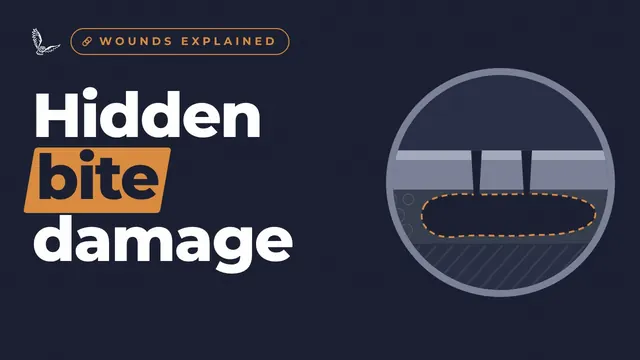
Small holes can hide big damage. Here is what your vet looks for, and what usually happens next.
5:40
1 Dec  4:22
3 Dec
 2:46
1 Dec
What NPWT is, how pets usually cope, and the questions worth asking.
 5:38
1 Dec
 3:33
1 Dec
 1:53
1 Dec
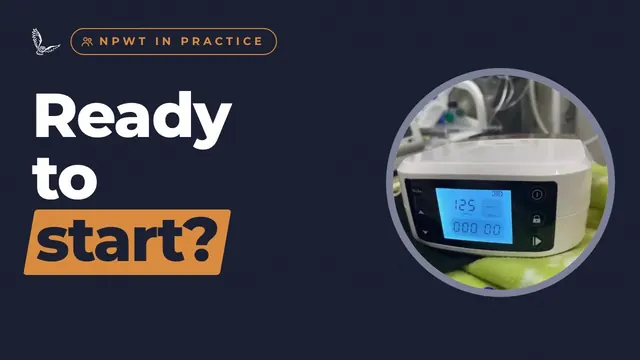
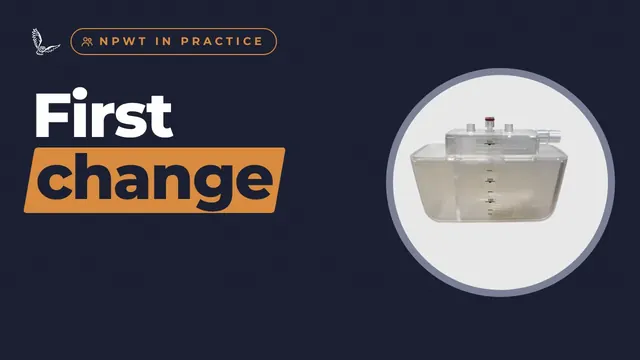
Set-up, overnight checks and the first dressing change, step by step.
 4:00
1 Dec
 4:40
1 Dec
 4:24
15 Dec
What you need, how hire works, and what the evidence really says.
 4:09
1 Dec
 3:12
1 Dec
 3:59
1 Dec
5:38
1 Dec
 3:16
1 Dec
3:59
1 Dec
 3:25
12 Jan
 5:28
26 Jan
 3:04
1 Dec
5:40
1 Dec
 4:53
1 Dec
 4:09
1 Dec
4:22
3 Dec
 3:23
9 Feb
 3:53
2 Feb
 3:30
5 Jan
 3:23
1 Dec
 3:19
17 Dec
 3:01
19 Jan
 3:43
1 Dec
 3:23
1 Dec
 3:22
7 Jan
 3:14
8 Dec
 3:10
1 Dec
4:09
1 Dec
4:00
1 Dec
4:40
1 Dec
4:24
15 Dec
 4:13
14 Jan
 3:12
28 Jan
 3:11
4 Feb
Also: Owner's Guide, Guardian Up Close, Meet Aluco, and the glossary of 65 words.
The vet team cleans the wound and removes damaged tissue. NPWT does not replace that step.
Foam is cut to fit and placed into the wound, right down to its base.
A thin, sticky film covers the foam and the skin around it, so the wound stays sealed and covered.
A tube links the dressing to a small pump, which draws air and wound fluid away into a pot on the pump. The dressing usually stays on for two to three days at a time.
A sealed dressing and a small pump gently draw fluid away.
In that study of 53 serious wounds, mostly from injuries such as road accidents and bites, the median time on NPWT was three days, and dressings were changed every two to three days. The study had no comparison group and used other NPWT systems, so it shows what is possible, not that NPWT is better than other methods.
Published study Pitt & Stanley, Vet Surg 2014 · other NPWT systems · no comparison group
Our Real Cases series follows clinician-reported cases from UK referral centres and a first-opinion practice using NPWT for the first time: the wound, the settings, the dressing changes, and what came next.
Each is one case, not proof of how other wounds will respond.
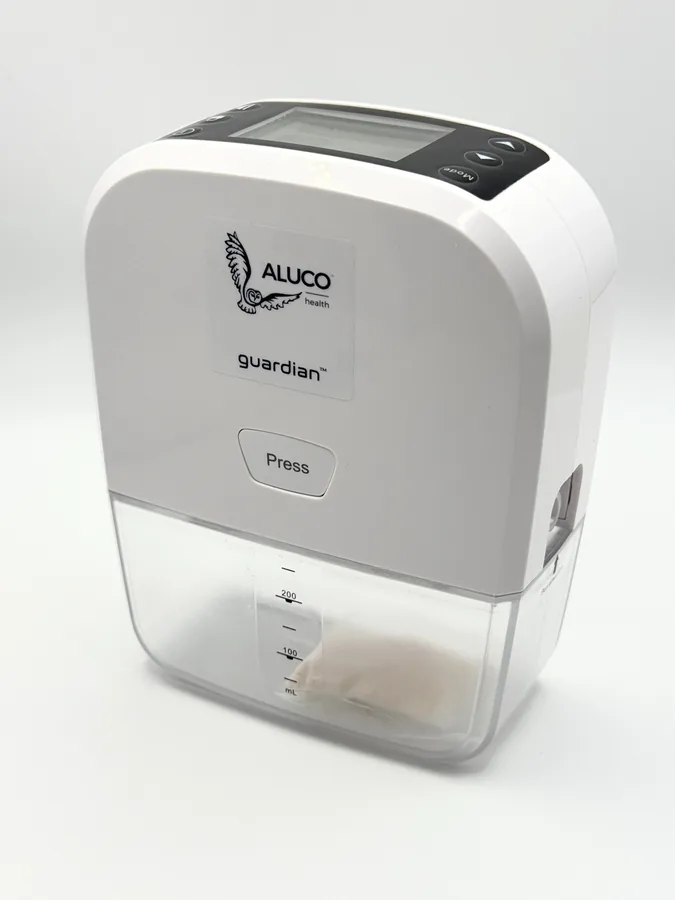
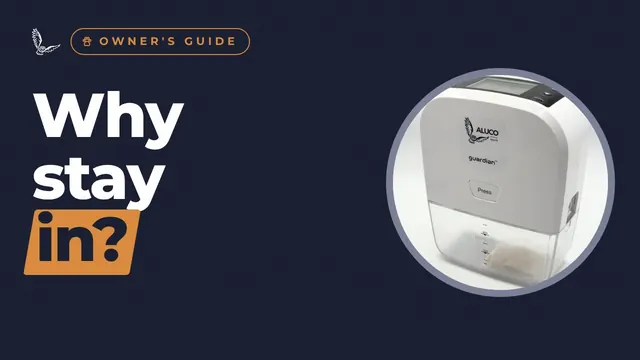
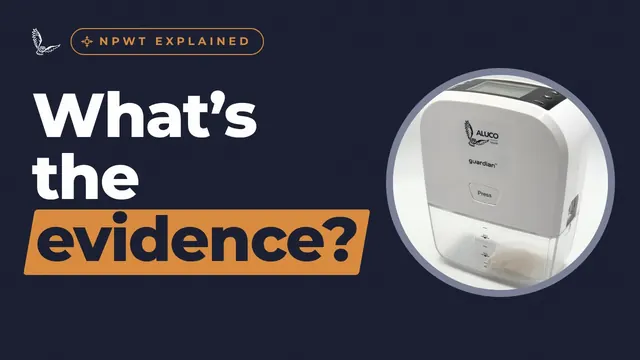
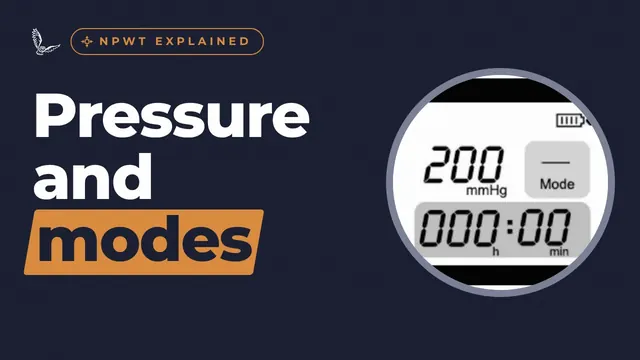
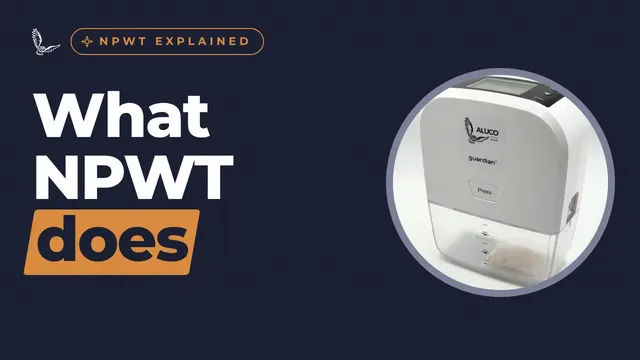
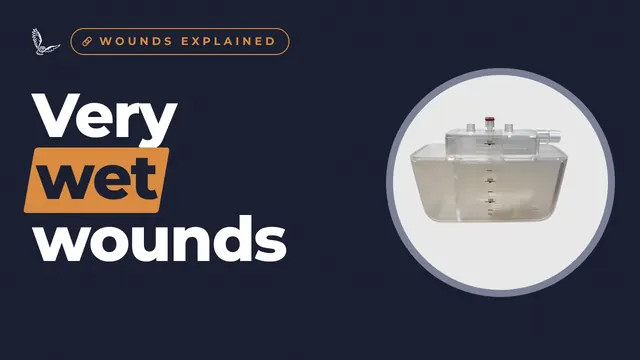
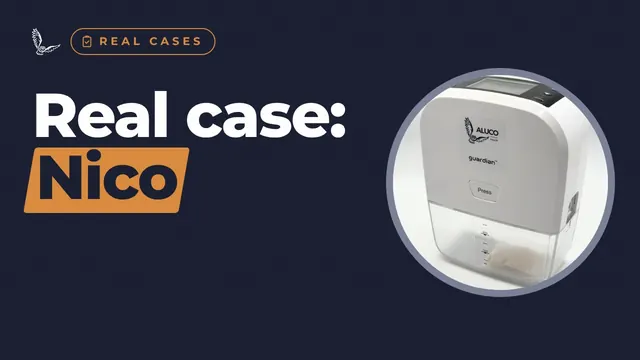
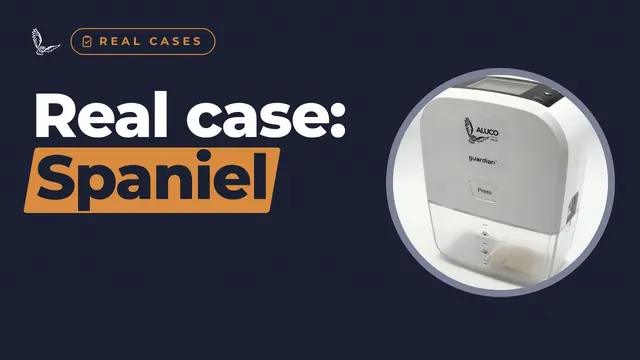
The Aluco Guardian™ is a portable NPWT system built for animal health, not adapted from it. A screen and buttons to set and check the suction, a sealed foam dressing, and a 300 mL canister that clicks in and is replaced, not emptied.
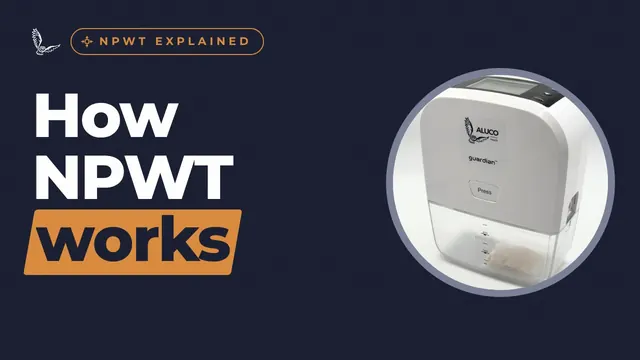
NPWT is a way of dressing an open wound. Soft foam is cut to fit the wound and sealed under a clear, sticky film. A tube links the dressing to a small pump, which gently draws air and wound fluid away into a pot called a canister. It is gentle, controlled suction through a sealed dressing, not a vacuum that sucks the wound shut. Your vet decides whether it suits a wound.
Vets use NPWT for open wounds that need managing while they get ready to close or heal: bite and other traumatic wounds, degloving injuries, surgical wounds that have opened up or become infected, very wet (heavily oozing) wounds, and to hold skin grafts and flaps in place. It does not replace cleaning and surgery, and it is not right for every wound.
Usually every two to three days. In a published study of 45 dogs, dressings were changed every two to three days and NPWT was used for a median of three days. Each change is normally done with the animal sedated or anaesthetised, and the vet team looks at the wound every time to decide what comes next.
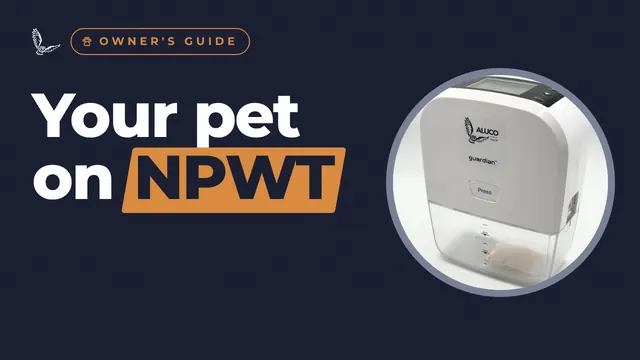
In a published study of 45 dogs, most dogs tolerated NPWT well. The authors found that cats disliked on-off suction, so they used steady suction for cats instead. Your vet team will keep your pet comfortable, with pain relief, and tell you how they are doing.
That goes further than the evidence. In small experiments in dogs, healthy healing tissue appeared earlier with NPWT, and a case series of 45 dogs reported that 96% of the wounds followed up went on to heal. But most studies are small or had no comparison group, and they used other manufacturers' systems. Bigger, fairer trials are needed.
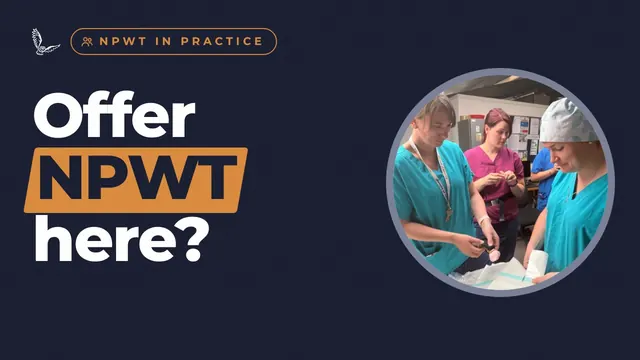
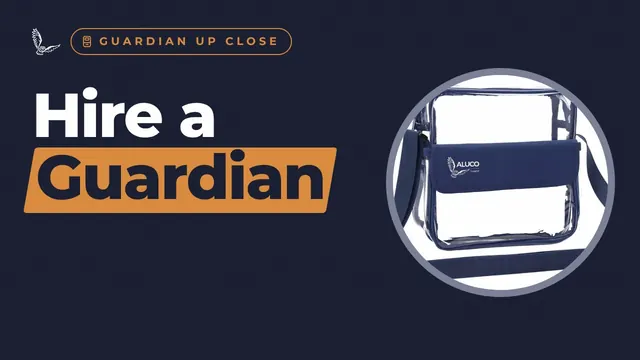
Yes. Veterinary practices can hire the Aluco Guardian™ for one case and think about buying once they are seeing regular cases. Aluco offers demonstrations, practical training and round-the-clock clinical support for vet teams. Demonstrations are for veterinary practices in the UK and EU.
New videos every Tuesday and Thursday on YouTube. Vet teams can hire the Aluco Guardian™ for a single case, book a demonstration, or buy.