The first NPWT dressing change: what am I looking for?
Content note. The video shows real clinical wound photos from a clinician-reported case, shared with permission. They appear after a warning screen. The written guide below has no photos.
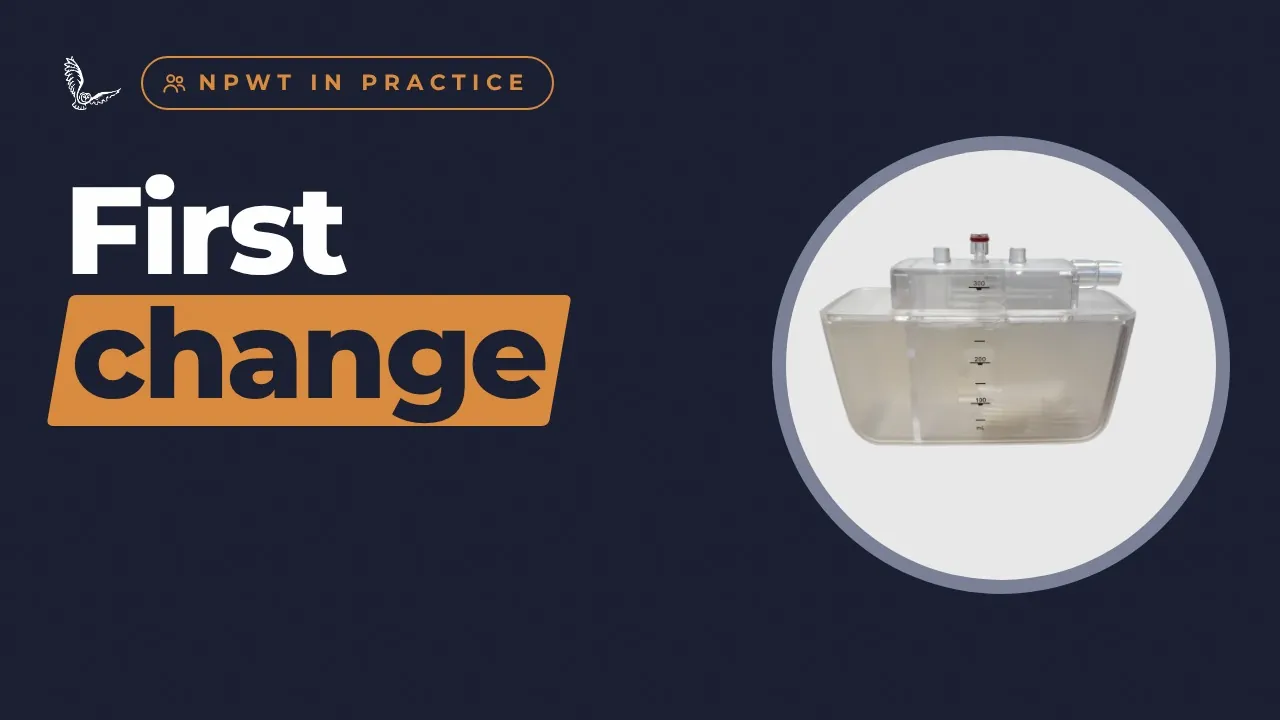
What a vet team does and records at the first negative pressure wound therapy (NPWT) dressing change, and how the findings shape the next step, following clinician-reported case 003 from Edinburgh Veterinary School. For vet teams. Contains wound photos.
Three things to remember
- Photograph and measure.
- Record the same things every time.
- Let the findings decide.
The full episode, written out
This is the narration from the video, so you can read it at your own pace, share it, or come back to a section.
Introduction
Welcome to Aluco Health. I'm Georgie Hollis. This is NPWT in Practice. The first dressing change is where you find out how the wound is responding. In this episode, we follow a real case: what the team recorded, and how it shaped the next step.
Before you start
The first change usually comes forty-eight to seventy-two hours after the dressing went on. Plan sedation or anaesthesia: in a published study of forty-five dogs, eighty-two percent needed heavy sedation or anaesthesia for dressing changes. And have a new dressing kit ready, in case therapy continues.
Taking it off
Stop therapy before you disconnect. Peel the film slowly, especially on fragile skin, because adhesive can strip it. If the foam has stuck to the wound, the manual suggests running sterile water or saline into the dressing, waiting fifteen to thirty minutes, then lifting it gently. And photograph the wound before you clean it; the team in the published study photographed every wound at every change.
What to record
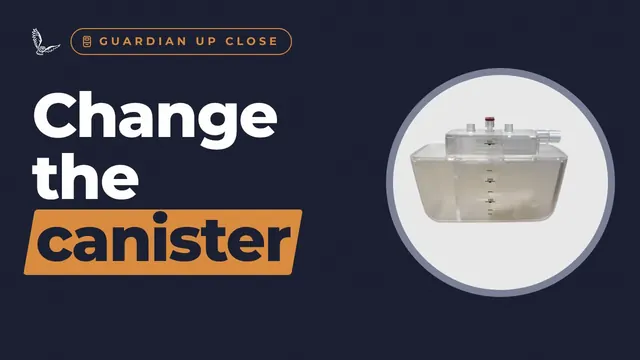
Then record the same things every time. Did the seal hold? What did the canister collect: how much, what colour, how thick? How big is the wound, measured the same way each time? How much of the bed is covered with healthy granulation tissue? Is there any dead tissue, breakdown, or sign of infection? And the skin around it: any redness or irritation from the film?
Jargon buster: granulation tissue
You'll hear the phrase granulation tissue a lot. It's the healthy, red, slightly bumpy tissue that fills a wound from the bottom up as it heals. A healthy bed of it is what you want before a wound is closed.
Case 003
Here's the case. A seven-year-old greyhound had had her carpal joints fused: a pancarpal arthrodesis. At home, she got to the surgical site and damaged the incision, and the wound broke down. It sat over the narrowest part of the leg and produced heavy fluid, which risked damaging the fragile skin the surgeons would need later. The team sealed it with stoma paste right round the limb, and the first NPWT cycle stayed on for three days.
What they found
At the first dressing change, the team recorded this. The seal had held for all three days, with no adverse events. The wound was granulating well, and it had shrunk by about a third. The lower part showed marked improvement. But there was one new problem: a small area of breakdown at the top of the wound.
How it shaped the next step
Those findings shaped the next step. Because the granulation tissue was healthy, the surgeon could partly close the wound, using a pedicle flap, which moves nearby skin while keeping its blood supply, plus releasing incisions. A non-stick silicone mesh went over the repair, with the NPWT foam on top, so fluid could drain without disturbing the fragile tissue. Then a second three-day cycle ran at a lower pressure, eighty to ninety millimetres of mercury, which is recommended for fragile tissue and grafts.
The whole course
Over the whole course, there were two NPWT applications across six days, and the wound filled two three-hundred-millilitre canisters in each three-day cycle. Every application was done by the surgical nurse, overseen by the soft tissue surgery team.
Findings into decisions
So, in general. A healthy bed means you can consider closure, or the next stage of the plan. Not quite there? Another NPWT cycle may be right. Fragile tissue, or a fresh repair, may need a lower pressure and a non-stick contact layer. And if the wound is worse, or infected, reassess and involve the surgeon; the manual notes that infected wounds may need more frequent dressing changes.
Words explained
- Granulation tissue
- Healthy red, slightly bumpy tissue that fills a wound as it heals.
- Pedicle flap
- Nearby skin moved over a wound while keeping its own blood supply.
- Pancarpal arthrodesis
- Surgery that fuses the joints of the wrist (carpus).
Sources
- S1Aluco Health. Aluco Guardian™ Negative Pressure Therapy System user manual / instructions for use, version 1, December 2024.
- S2Pitt KA, Stanley BJ. Negative pressure wound therapy: experience in 45 dogs. Vet Surg 2014;43(4):380–387. doi:10.1111/j.1532-950X.2014.12155.x pmc.ncbi.nlm.nih.gov/articles/PMC5026415
- S3Hollis G. Reviewing negative pressure wound therapy in animals. Vet Times, 12 November 2024. www.vettimes.com/news/vets/small-animal-vets/reviewing-negative-pressure-wound-therapy-in-animals
- S4Aluco Health. Case study 003: Greyhound with pancarpal arthrodesis wound breakdown. Case provided by Lisa Telford RVN, Edinburgh Veterinary School. Approved; published on alucohealth.com.
- S5Aluco Health. Aluco Guardian™ user guide: step-by-step application (presentation).
- S6Negative pressure wound therapy: a guide for small animal practitioners. Veterinary Practice (undated web article). www.veterinary-practice.com/article/negative-pressure-wound-therapy-npwt
General information about animal wound care, not veterinary advice. Always follow your vet's advice. Aluco Guardian™ is for use by veterinary professionals. Evidence mentioned is not specific to Aluco Guardian™ unless we say so.
See the Aluco Guardian™ in your practice
Hire one for a single case, try it with a demonstration, or buy for a regular caseload. Training and round-the-clock clinical support for vet teams come with it.
Ask your vet whether NPWT could help
Your vet knows your pet best. Take your questions to them, or send them this page.
Watch next
 4:40
1 Dec
What does overnight NPWT care involve? A guide for practice teams
 1:59
1 Dec
 3:23
1 Dec
 2:31
1 Dec