What is NPWT? Negative pressure wound therapy in animals
A plain-English guide to negative pressure wound therapy (NPWT) in animals: what it is, the four parts of the system, how it is thought to help a wound, which wounds it is used for, and what the evidence shows. For pet owners and vet teams.
Three things to remember
- NPWT is gentle, controlled suction through a sealed dressing.
- It helps prepare a wound to close or heal.
- Your vet decides whether it's right for each wound.
The full episode, written out
This is the narration from the video, so you can read it at your own pace, share it, or come back to a section.
Introduction
Welcome to Aluco Health. I'm Georgie Hollis. This is NPWT Explained, and in this first episode we're answering the big question. What is negative pressure wound therapy, how is it thought to help a wound, and what does the evidence actually show? No experience needed.
Some wounds can't be closed straight away
Some wounds can't be stitched closed straight away. Think of a large wound after an accident, a wound that's dirty or infected, or one that's producing lots of fluid. These wounds need time, and good care, before they're ready to close. Looking after them can mean frequent dressing changes, and often sedation each time.
Jargon buster: negative pressure
Let's start with the name. Negative pressure wound therapy, or NPWT for short. Negative pressure simply means a pressure a little lower than the air around us. In other words, gentle suction. So NPWT is a way of treating a wound with gentle, controlled suction.
Four parts, one system
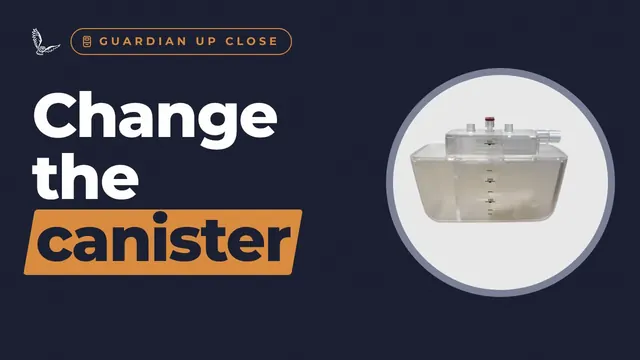
An NPWT system has four main parts. First, a soft foam, cut to fit and placed into the wound. It spreads the suction evenly. Second, a clear sticky film that seals over the foam and onto the skin around it. Third, a small pump that creates gentle, steady suction, at a level the vet sets. And fourth, a pot, called a canister, that collects the fluid drawn out of the wound.
Seal it, then gently draw
Here's how it fits together. The foam sits in the wound. The film seals it, so the wound becomes a closed space. A tube runs from a small pad on the film to the pump. When the pump switches on, it gently lowers the pressure inside the dressing. The foam squeezes down a little, and wound fluid is drawn through it, along the tube and into the pot.
What it's thought to do
So how might this help? Four effects are usually described. The foam shrinks a little under suction and draws the wound edges closer together. Excess wound fluid is removed, and swelling can go down. The gentle pull on the wound surface is thought to encourage new cells and tiny blood vessels to grow. And studies, first in pigs and later in dogs, reported healthy new tissue forming earlier. Notice the words thought to. Some of these effects are well supported. Others still need more research.
The number you'll hear most
You'll hear one number again and again: minus one hundred and twenty-five millimetres of mercury. That's a measure of how strong the suction is. It's about a sixth lower than normal air pressure, so it's gentle. The number comes from early blood-flow studies in pigs, published in 1997, rather than from clinical trials in our patients. The Aluco Guardian can be set anywhere from fifty to two hundred, and your vet chooses the right setting for each wound.
Where NPWT fits
So where does NPWT fit? It's one step in a wound's journey, not a replacement for good wound care. First, the vet cleans the wound and removes damaged tissue. Then the foam and film are fitted, and the gentle suction starts. The dressing is usually changed every two to three days. And once the wound bed is healthy, it's closed with surgery, or left to heal on its own.
Wounds that need time
Which wounds is it used on? The Guardian's user guide lists wounds like these. Bites and other injuries. Surgical wounds that have opened up, or become infected. Wounds where skin has been torn away, which vets call degloving. Skin grafts and flaps. And very wet wounds that produce a lot of fluid. NPWT isn't right for every wound, though. Your vet will check that it's suitable first.
One study, 45 dogs
What does the evidence show? One of the most useful studies followed forty-five dogs with fifty-three serious wounds, mostly from injuries. The usual time on NPWT was three days, with dressings changed every two to three days. And ninety-six percent of the wounds assessed went on to heal, most of them closed with surgery afterwards. This study had no comparison group, and it used other NPWT systems. So it tells us NPWT is practical in dogs, not that it's better than every other option.
Myth or fact?
Here's a common misunderstanding. NPWT is sometimes imagined as a vacuum cleaner that sucks the wound shut. It isn't. The suction is gentle and controlled. It works through a soft, sealed foam dressing, and the vet sets the level to suit the wound.
Built for animal health
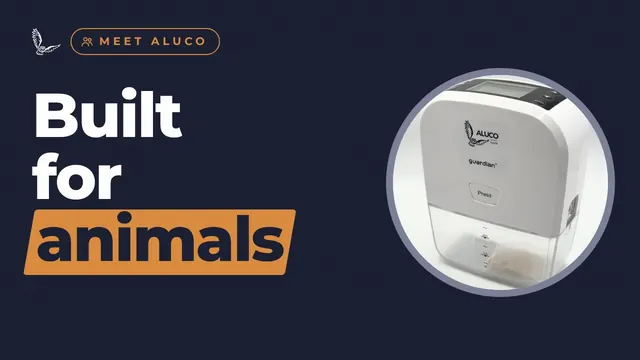
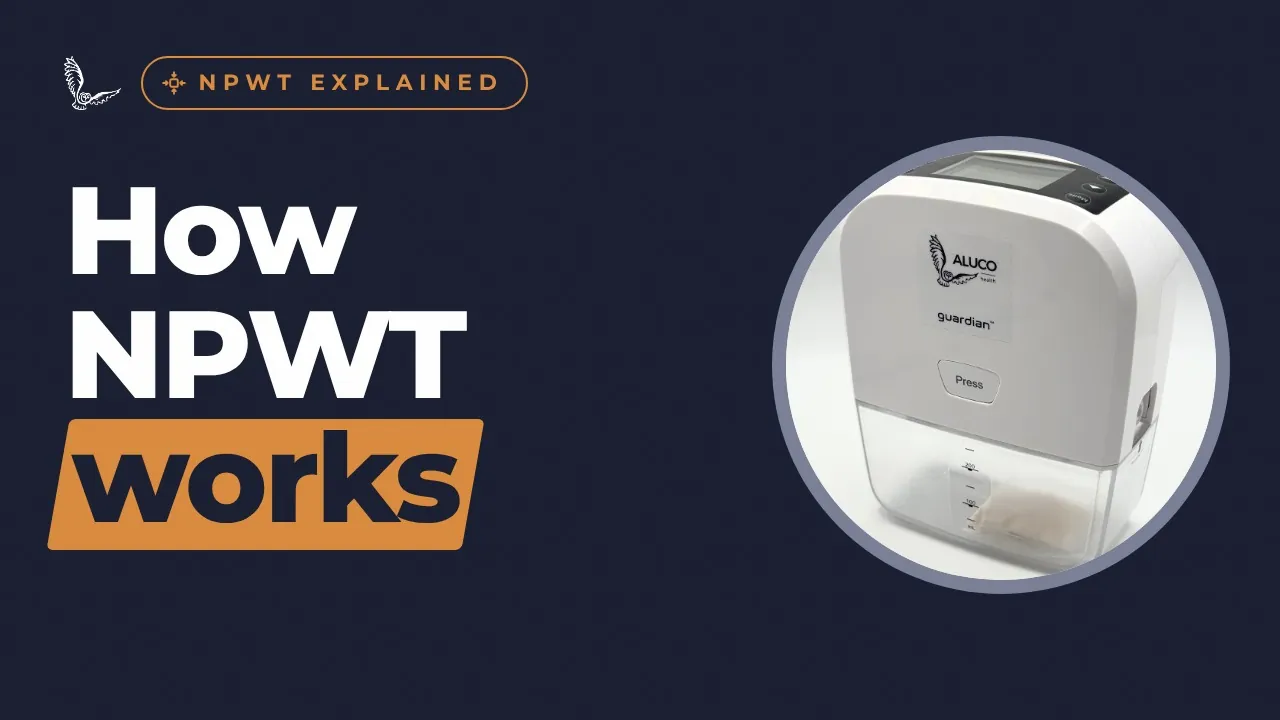
This is the Aluco Guardian, an NPWT system built for animal patients. The suction can be set from fifty to two hundred millimetres of mercury, in small steps. It can run steadily, or switch on and off, which vets call continuous and intermittent modes. Fluid collects in a three hundred millilitre pot that clicks in and is replaced, not emptied. And it's portable, with a carry bag, so the therapy can move with the patient.
Words explained
- NPWT
- Negative pressure wound therapy: a sealed foam dressing with gentle, controlled suction.
- Negative pressure
- A pressure a little lower than the air around us; gentle suction.
- mmHg
- Millimetres of mercury, a measure of how strong the suction is.
- Canister
- The pot that collects wound fluid.
- Degloving
- A wound where skin has been torn away, often on a leg or paw.
Sources
- S1Pitt KA, Stanley BJ. Negative pressure wound therapy: experience in 45 dogs. Vet Surg 2014;43(4):380–387. doi:10.1111/j.1532-950X.2014.12155.x pmc.ncbi.nlm.nih.gov/articles/PMC5026415
- S2Morykwas MJ, Argenta LC, Shelton-Brown EI, McGuirt W. Vacuum-assisted closure: a new method for wound control and treatment: animal studies and basic foundation. Ann Plast Surg 1997;38(6):553–562. pubmed.ncbi.nlm.nih.gov/9188970/
- S3Demaria M, Stanley BJ, Hauptman JG, et al. Effects of negative pressure wound therapy on healing of open wounds in dogs. Vet Surg 2011;40(6):658–669. pubmed.ncbi.nlm.nih.gov/?term=Demaria+Stanley+2011+negative+pressure+wound+therapy+open+wounds+dogs
- S4Stanley BJ. Negative pressure wound therapy. WSAVA/FECAVA/BSAVA World Congress 2012 (VIN). www.vin.com/doc/?id=5328244
- S5Aluco Health. Aluco Guardian™ instructions for use (Dec 2024), user guide and quick start guide (Dec 2025); Guardian brochure claims and sources (2026).
General information about animal wound care, not veterinary advice. Always follow your vet's advice. Aluco Guardian™ is for use by veterinary professionals. Evidence mentioned is not specific to Aluco Guardian™ unless we say so.
See the Aluco Guardian™ in your practice
Hire one for a single case, try it with a demonstration, or buy for a regular caseload. Training and round-the-clock clinical support for vet teams come with it.
Ask your vet whether NPWT could help
Your vet knows your pet best. Take your questions to them, or send them this page.