 5:38
1 Dec
NPWT Explained
If your vet has mentioned a vacuum dressing, NPWT, or a wound that needs time to heal, these short videos explain what is happening, what to expect and what to ask. They never replace your vet's advice: your vet knows your pet best.
Don't adjust the pump, switch it off, or try to fix or change the dressing yourself.
5:38
1 Dec 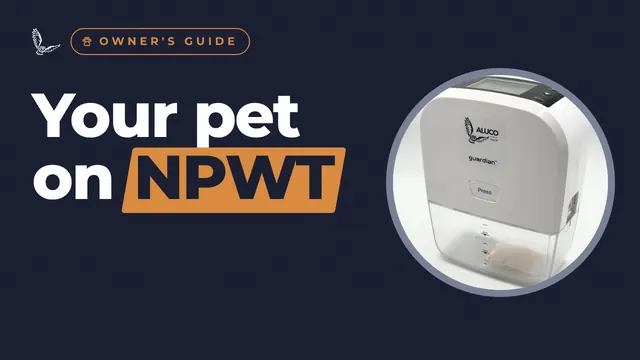 3:33
1 Dec
 2:46
1 Dec
 1:53
1 Dec
 2:43
10 Dec
 5:40
1 Dec
 4:22
3 Dec
 4:09
1 Dec
 3:23
1 Dec
It's normal to feel unsure what to ask. Writing your questions down first can help, and asking lots of questions doesn't mean you don't trust your vet. Your vet team wants you to understand the plan.
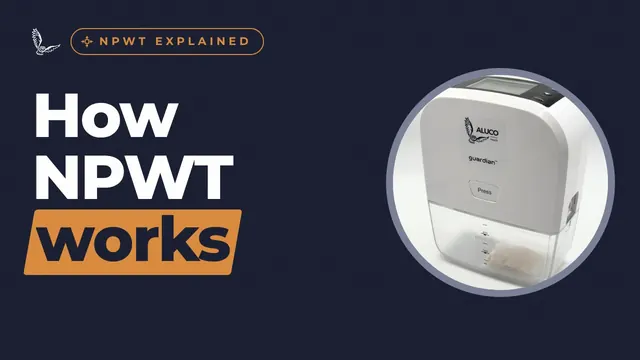
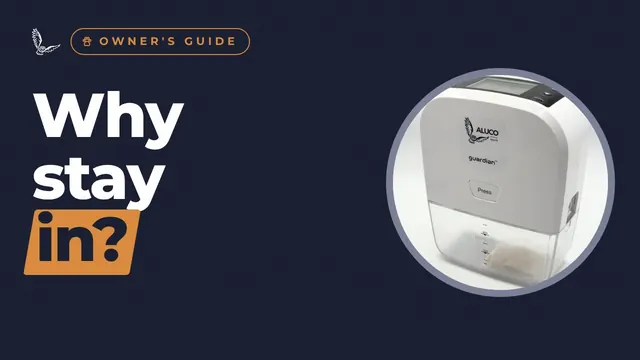
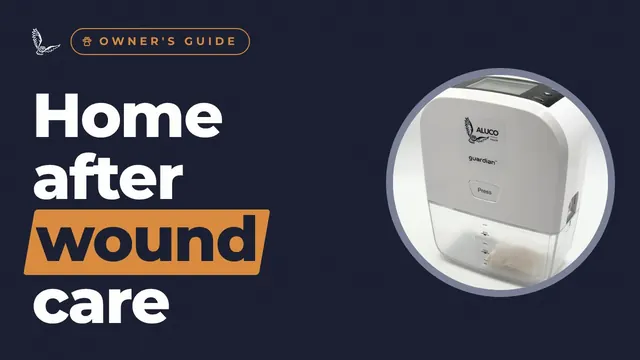
A piece of foam is cut to fit the wound. A clear, sticky film seals over the top. A thin tube connects it to the pump, which applies gentle, steady suction. Wound fluid is drawn away into a small pot on the pump, called the canister.
The pump is about 1.2 kg, a little more than a bag of sugar. It runs day and night, and has to stay upright, so it is often hung outside the kennel.
Watch: What is NPWT? →Cats make less healing tissue than dogs, and their wounds tend to close more slowly, so a cat's wound needs a plan made for cats. In one published study, cats also disliked on-off suction, so steady suction was used instead.
How cat wounds heal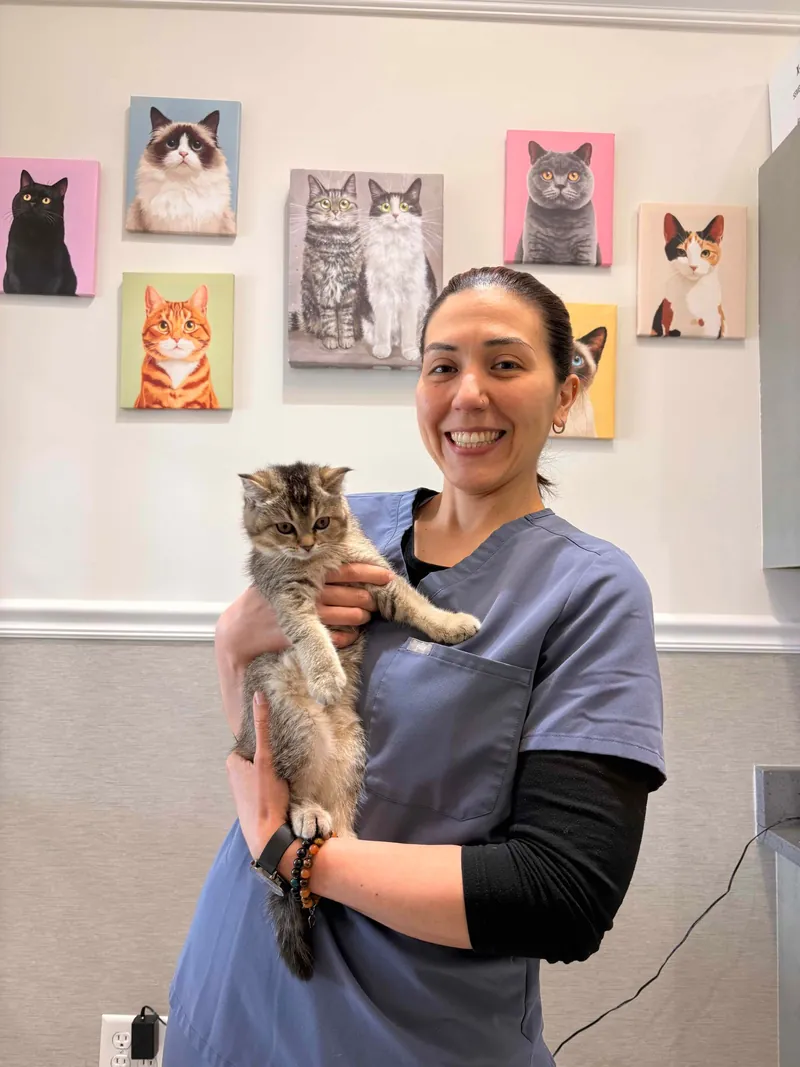
It is probably negative pressure wound therapy (NPWT). Foam is fitted into the wound, sealed under a clear film, and connected by a thin tube to a small pump that gently draws wound fluid away into a pot. When it is working, the foam looks shrunken and wrinkled under the film.
It varies. The dressing usually stays on for two to three days at a time. In a published study of 45 dogs, NPWT was used for a median of three days. At each change your vet team looks at the wound and decides what comes next.
Often, yes. In that study most dogs stayed in hospital while on NPWT, so the team could check the seal and the pump day and night. Your vet decides what suits your pet.
Don't touch the pump or the dressing. Call your practice straight away. The same goes if you see fluid leaking or anything worries you.
General information about animal wound care, not veterinary advice. Always follow your vet's advice. Aluco Health supplies the Aluco Guardian™ to veterinary practices; if you think NPWT could help your pet, ask your vet.