Infected surgical wound in dogs: signs, risks and treatment
Content note. The video shows real clinical wound photos from a clinician-reported case, shared with permission. They appear after a warning screen. The written guide below has no photos.
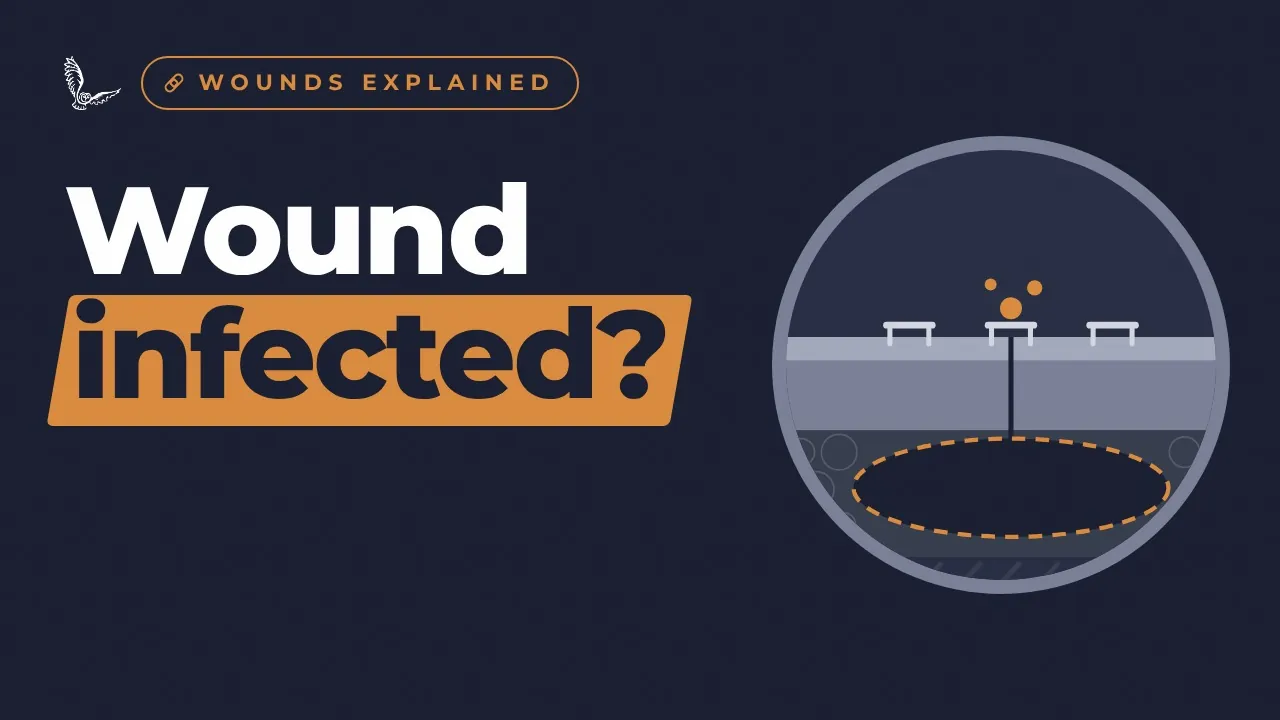
What a surgical site infection is, the signs owners can look for, what raises the risk, how vets usually treat it, and where negative pressure wound therapy (NPWT) can fit. For pet owners and vet teams.
Three things to remember
- Know the signs: redness, swelling, heat, pain and discharge.
- Call your vet early.
- Remember that many infected wounds need cleaning, not just tablets.
The full episode, written out
This is the narration from the video, so you can read it at your own pace, share it, or come back to a section.
Introduction
Welcome to Aluco Health. I'm Georgie Hollis. This is Wounds Explained. Today: infected surgical wounds. What are the signs, what raises the risk, and how do vets treat them?
Red and swollen
A few days after surgery, the wound looks red and swollen. It feels warm, and there's some discharge. These can be signs of a surgical site infection. In one study of dogs after soft tissue surgery, almost nine in a hundred developed one.
What it is
Here's a stitched surgical wound. Germs can get in and cause an infection, just in the skin, or deeper underneath. The body reacts with swelling, heat and pus. And if a pocket of infection sits under the stitches, the wound may not hold, and can come apart.
Jargon buster
Vets call this a surgical site infection, or S S I. It can be superficial, just in the skin, or deep, in the tissue underneath. In that study, most were superficial.
Signs to look for
Signs to look for include redness, swelling, heat and pain around the wound, and discharge or pus. A wound that comes apart can be another sign of a deeper infection. If you notice any of these, call your vet.
What raises the risk
Some things raise the risk. In that study, they included surgery lasting more than an hour, steroid medicines, high blood sugar before surgery, a urinary catheter, and not using the protective collar properly. Infections also added cost: total costs rose by about three-quarters.
How vets treat it
So how do vets treat it? Often they take a swab, to find out which germ is involved and which medicines will work. Antibiotics may be needed, but not always, and a topical treatment on the wound may be considered first. Deeper infections may need the wound opened, drained and cleaned, with dead tissue removed. Then it's dressed and checked until it's healthy enough to close, or to heal on its own.
Hard-to-treat germs
Some wound infections are caused by germs that resist several antibiotics. A review on cats found these were frequent, especially in patients that had already had antibiotics. Some of these germs can pass between animals and people, as in a published case series of six horses. These cases need careful handling, and good hygiene from everyone.
Where NPWT fits
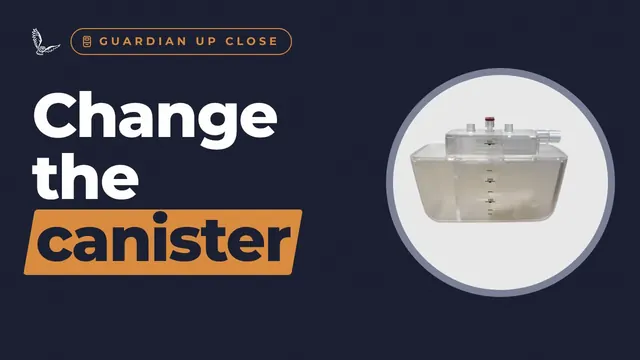
Where does NPWT fit? Once an infected wound has been opened and cleaned, a sealed foam dressing can be used to manage it. It draws the wound fluid away into a canister and keeps the wound covered between changes. In a review on cats, the author felt NPWT was of most value for managing wound infection. And in that case series of six horses, it was used for infections with resistant germs. Neither had a comparison group.
A real example
Here's one example from Wear Referrals. An older cocker spaniel developed severe infections in both sides of the groin, after lymph nodes were removed from the groin. Under anaesthetic, the team cleaned the wounds and removed dead tissue, then placed NPWT for seventy-two hours. The wound was very wet, and several canisters were used. The dog ate normally and had short, controlled walks. Afterwards, there was healthy healing tissue right through the wound, and it was stitched closed, with a drain. This is one clinician-reported case.
Myth or fact?
A common belief is that antibiotics alone will fix an infected wound. Sometimes they're part of the answer. But a pocket of infection or dead tissue under the wound often needs to be drained and cleaned too. Your vet will decide what's needed.
Words explained
- Surgical site infection (SSI)
- An infection in a wound made during surgery.
- Culture swab
- A sample taken to find which germ is present and which medicines work.
- Multi-drug resistant
- Germs that are not killed by several common antibiotics.
Sources
- S1Espinel-Rupérez J, Martín-Ríos MD, Salazar V, et al. Incidence of surgical site infection in dogs undergoing soft tissue surgery: risk factors and economic impact. Vet Rec Open 2019;6:e000233. pmc.ncbi.nlm.nih.gov/articles/PMC6802975
- S2Pavletic MM. Wound dehiscence: causes, prevention, management. MSPCA-Angell Animal Medical Center, October 2023. www.mspca.org/wp-content/uploads/2023/12/Pavletic_Wound-Dehiscence.pdf
- S3Hattersley R. Management of canine and feline degloving injuries. Vet Times, 1 October 2018. www.vettimes.com/clinical/small-animal/management-of-canine-and-feline-degloving-injuries-cpdcriticalcare
- S4Nolff MC. Filling the vacuum: role of negative pressure wound therapy in open wound management in cats. J Feline Med Surg 2021;23:823–833. doi.org/10.1177/1098612X211034071
- S5Askey T, Major D, et al. Negative pressure wound therapy for the management of surgical site infections with zoonotic, drug-resistant pathogens on the upper body of the horse. Equine Vet Educ 2023. doi:10.1111/eve.13789 doi.org/10.1111/eve.13789
- S6Aluco Health. Case study 002: Cocker spaniel with severe bilateral inguinal SSIs. Case provided by Anna Cronin DipECVS, Wear Referrals. Approved; published on alucohealth.com.
General information about animal wound care, not veterinary advice. Always follow your vet's advice. Aluco Guardian™ is for use by veterinary professionals. Evidence mentioned is not specific to Aluco Guardian™ unless we say so.
See the Aluco Guardian™ in your practice
Hire one for a single case, try it with a demonstration, or buy for a regular caseload. Training and round-the-clock clinical support for vet teams come with it.
Ask your vet whether NPWT could help
Your vet knows your pet best. Take your questions to them, or send them this page.
Watch next
 4:09
1 Dec
Dog surgical wound opened up? Why it happens and what vets do
 1:59
1 Dec
 3:23
1 Dec
 2:31
1 Dec